

Loading content ...
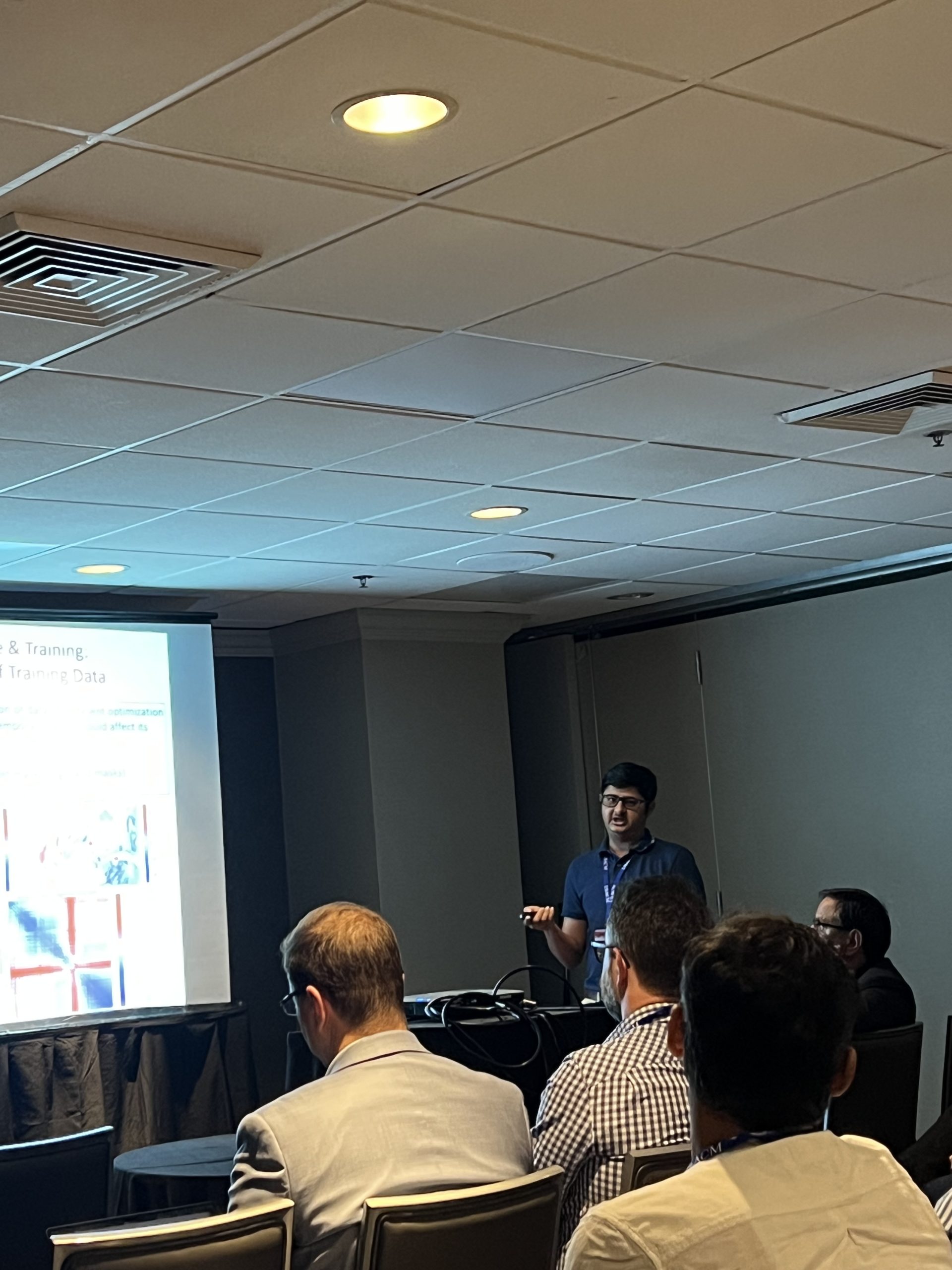
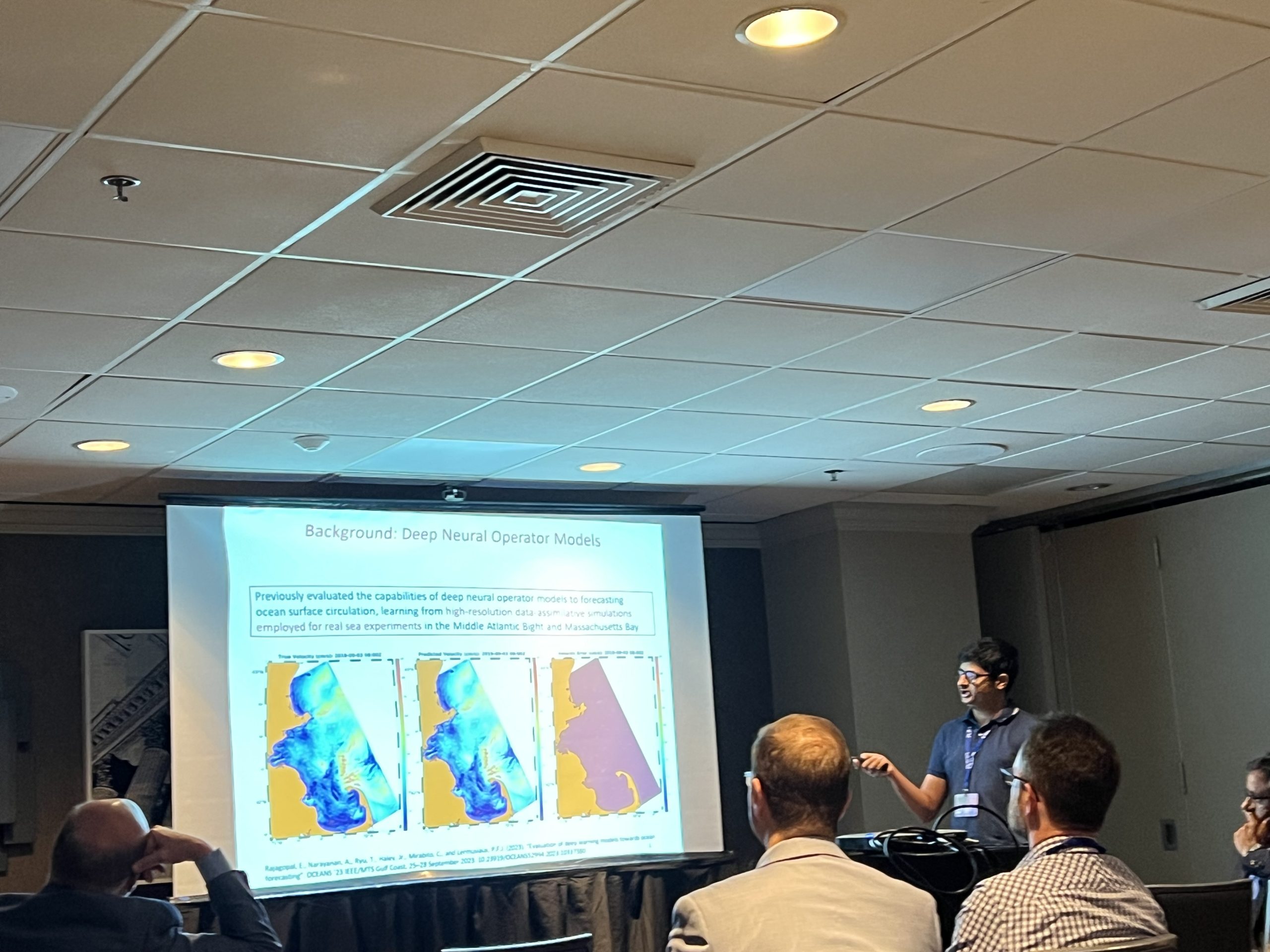
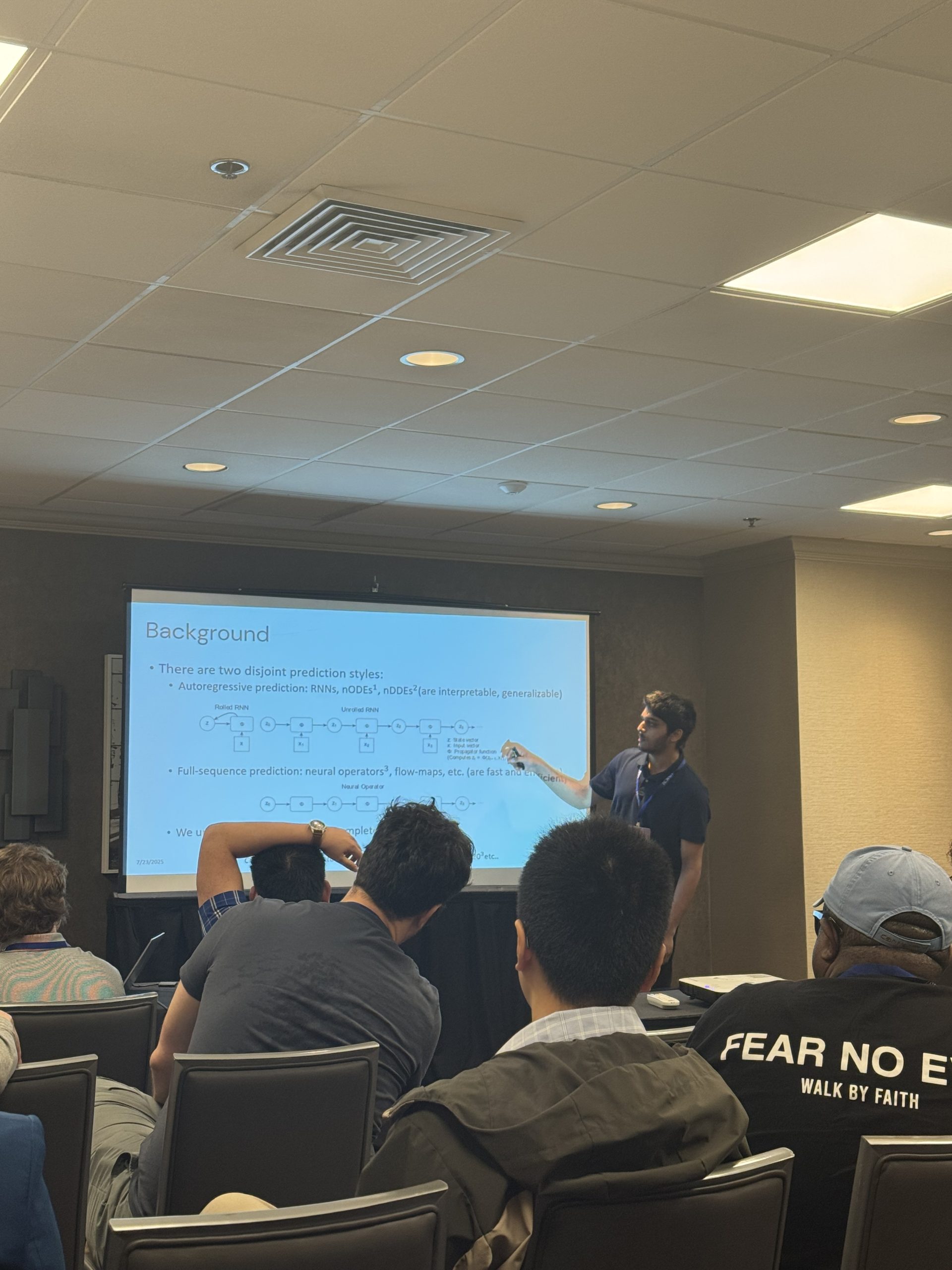
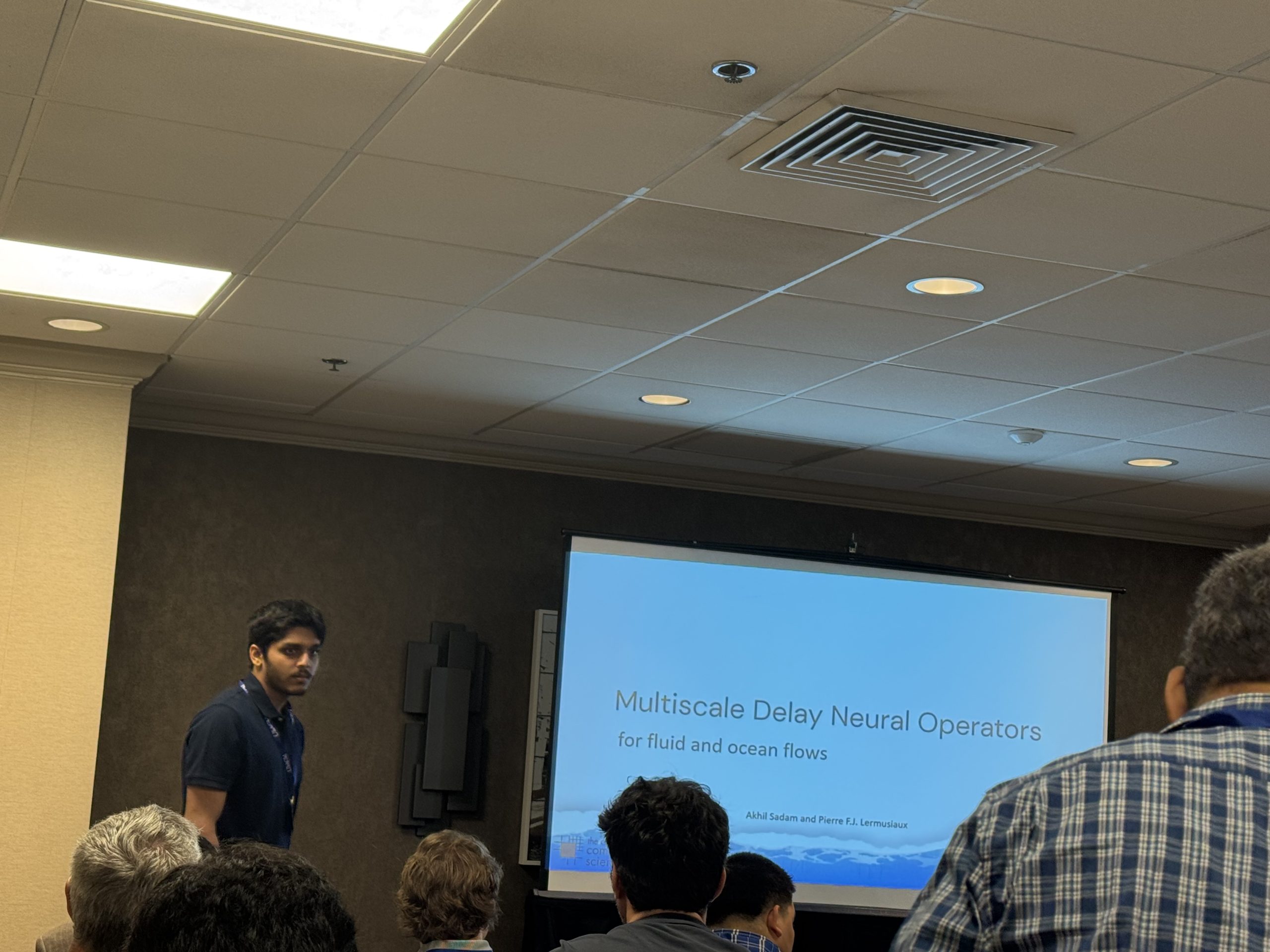
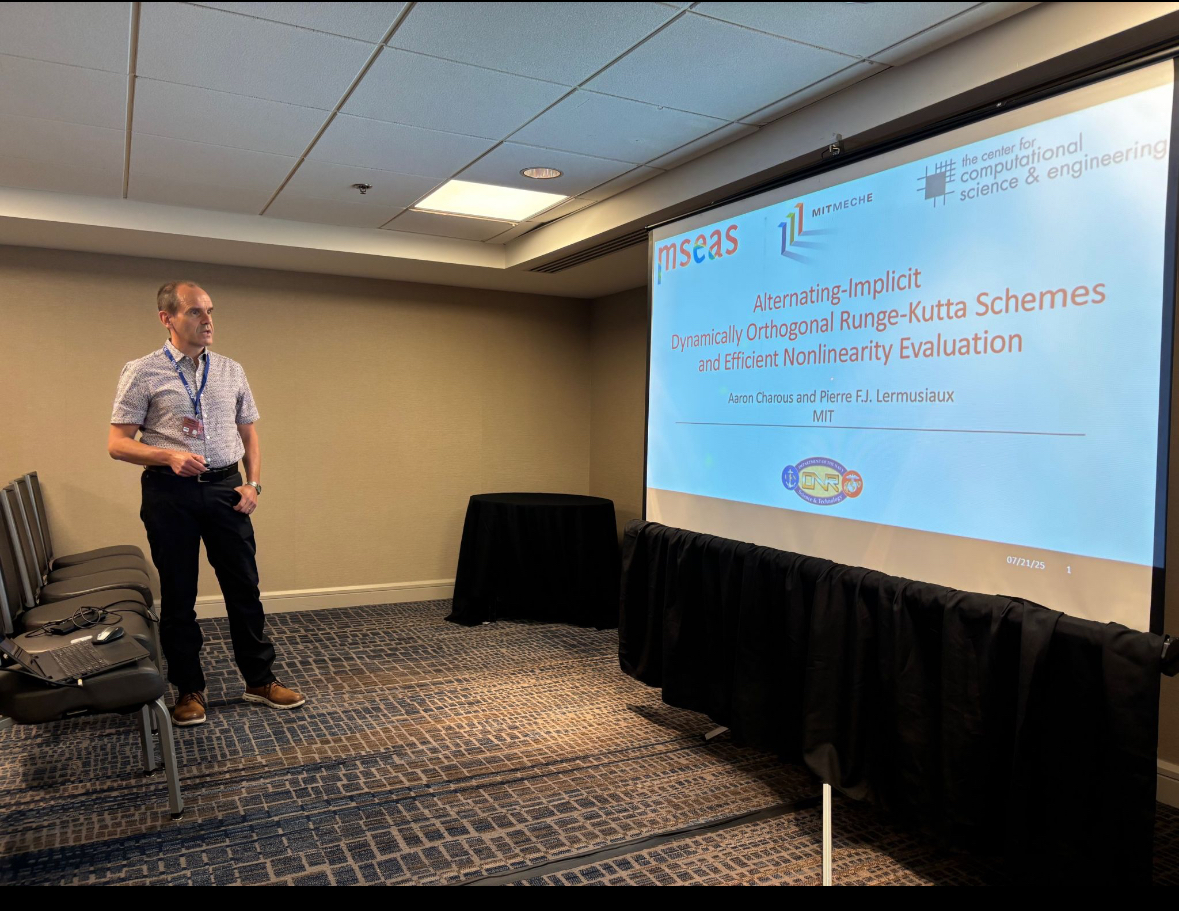
MSEAS Alums Present Research at ICML 2025
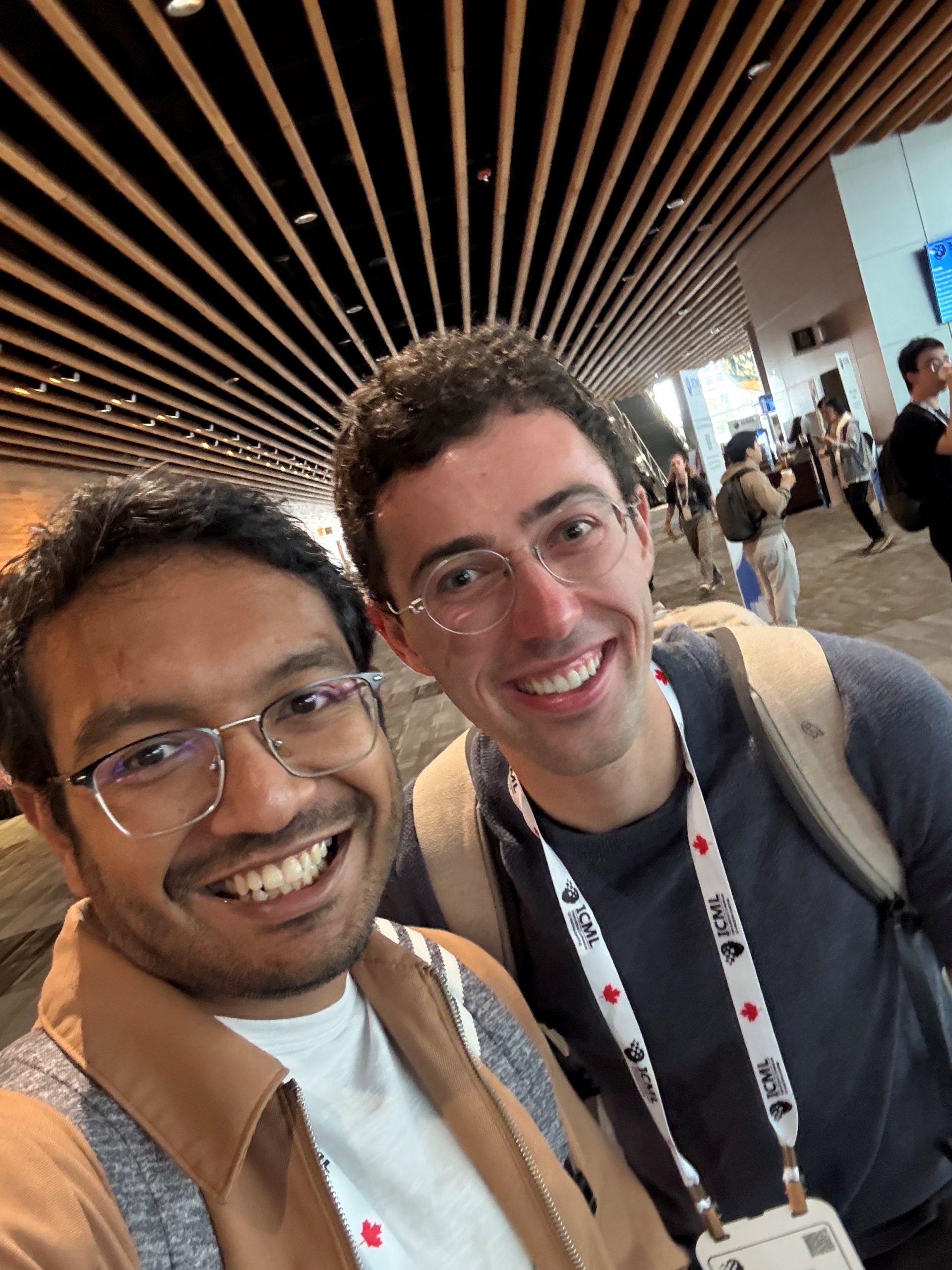
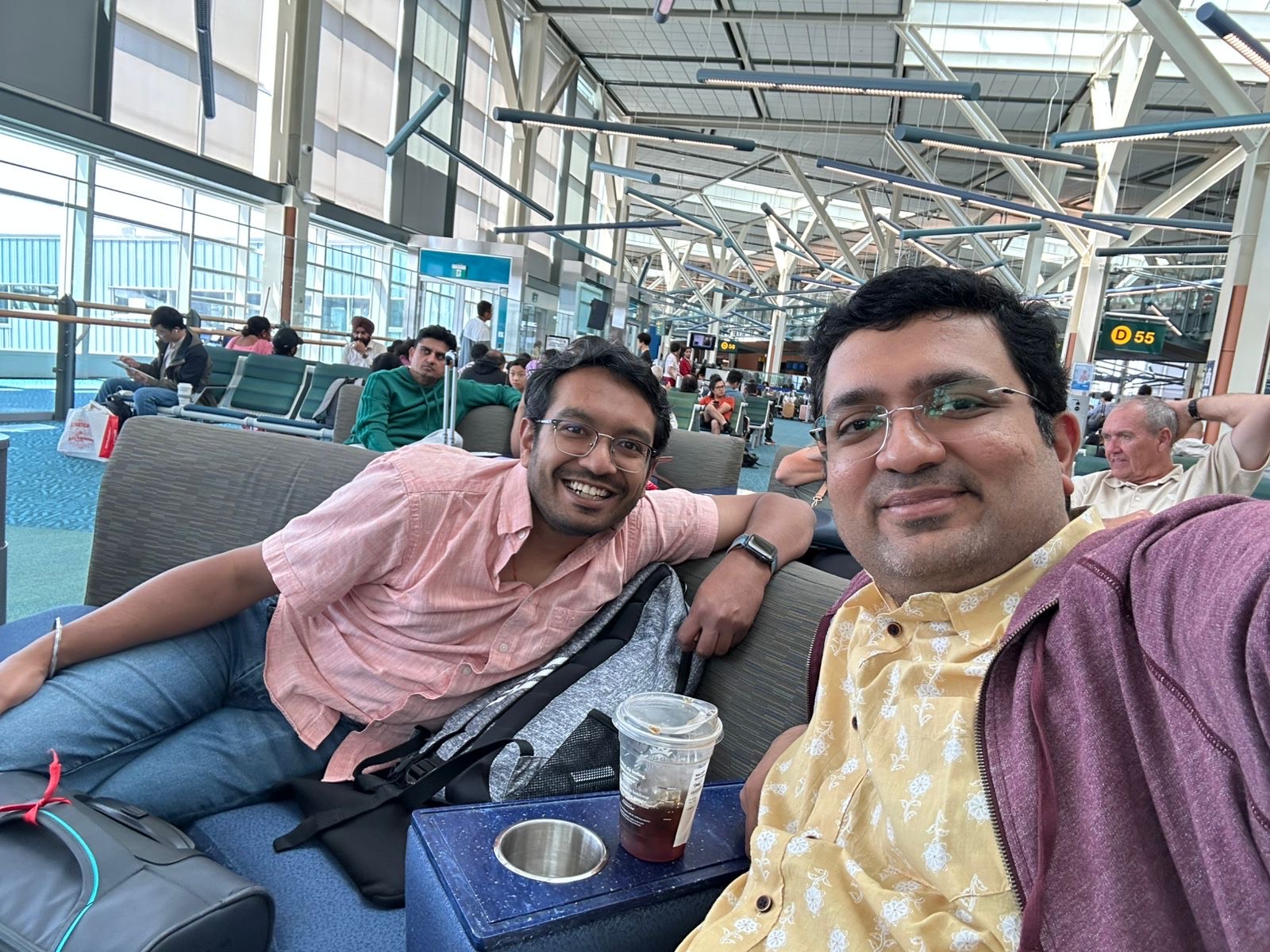
MSEAS alums Abhinav Gupta, Aaron Charous, and Deepak Subramani presented their work at the Forty-Second International Conference on Machine Learning (ICML) in Vancouver from July 13-19. Congrats!!
Angie Fortuno


Hi! I’m Angie, an undergraduate student (class of 2028) from Puerto Rico. At MSEAS, I’m working on improving and creating algorithms for fluid flow prediction. Outside of MSEAS, I’m pursuing a joint major in Computer Science and Neuroscience (a.k.a Computation and Cognition) and enjoy writing for the MIT Admissions blog and helping out with STEM outreach programs. In my free time, I like to read (currently reading “Notes from Underground” by Dostoevsky), go to the gym, explore Boston, and go on as many side quests as I can (aiming to get good at pottery and DJing next). I’m very grateful to be at MSEAS and am excited to see what we will create together!
Evaluation of Analytical Turbulence Closures for Quasi-Geostrophic Ocean Flows with Coastal Boundaries
Suresh Babu, A.N., A. Sadam, and P.F.J. Lermusiaux, 2025. Evaluation of Analytical Turbulence Closures for Quasi-Geostrophic Ocean Flows with Coastal Boundaries. In: OCEANS '25 IEEE/MTS Great Lakes, 29 September–2 October 2025, pp. 1–10. doi:10.23919/OCEANS59106.2025.11245082
Numerical turbulence simulations typically involve parameterizations such as Large Eddy Simulations (LES). Applications to geophysical flows, especially ocean flows, are further complicated by the presence of complex topography and interior landforms such as coastlines, islands, and capes. In this work, we extend pseudo-spectral quasi-geostrophic (QG) numerical schemes and GPU-based solvers to simulate flows with coastal boundaries using the Brinkman volume penalization approach. We incorporate sponging and a splitting scheme to handle inflow and aperiodic boundary conditions. We evaluate four analytical sub-grid-scale (SGS) closures based on the eddy viscosity hypothesis: the standard Smagorinsky and Leith closures, and their dynamic variants. We show applications to QG flows past circular islands and capes with the β-plane approximation. We perform both a priori analysis of the SGS closure terms as well as a posteriori assessment of the SGS terms and simulated vorticity fields. Our results showcase differences between the various closures, especially their approach to phase and feature reconstruction errors in the presence of coastal boundaries.

